Running a successful repair business requires more than technical expertise. As repair volumes grow and operations become more complex, relying on intuition alone becomes increasingly risky. Business owners need accurate data to understand performance, identify inefficiencies, and make informed decisions about staffing, inventory, pricing, and growth.
Data driven decision making allows repair businesses to move from reactive management to strategic growth. By analysing operational data such as repair turnaround times, technician performance, parts usage, and customer trends, shop owners gain clear insights into what is working and what needs improvement.
Modern repair POS systems play a central role in this transformation by collecting and organising the operational data needed to make smarter decisions.
Why Data Matters in Repair Businesses
Repair shops generate a large amount of operational information every day. Every repair ticket, part used, technician assignment, and completed service creates valuable data that can reveal patterns in performance and profitability.
When this information is properly tracked and analysed, it becomes a powerful tool for improving efficiency and identifying growth opportunities. Without structured reporting, many repair businesses struggle to understand which services are most profitable, which technicians are most productive, or where operational delays are occurring.
Understanding Repair Shop Performance
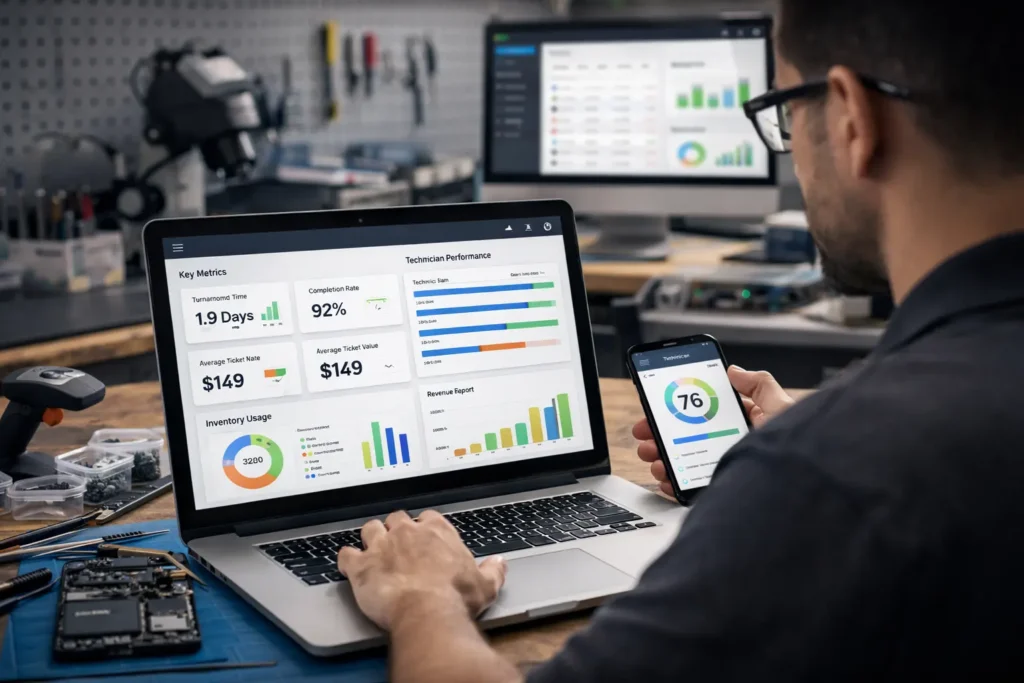
One of the biggest advantages of data driven management is the ability to measure real business performance rather than relying on assumptions. Metrics such as repair turnaround time, repair completion rates, and average ticket value provide a clear picture of how efficiently a repair shop operates.
By regularly reviewing these metrics, business owners can identify workflow bottlenecks, recognise high performing technicians, and adjust staffing levels based on actual demand. Over time, these improvements lead to faster service and a better customer experience.
Improving Inventory and Parts Management
Inventory management is one of the most common challenges for repair businesses. Parts are constantly being used, replaced, or reordered, and small inaccuracies can quickly turn into costly problems.
Data driven inventory management helps repair shops track which parts are used most frequently, identify slow moving stock, and forecast future demand. When repair tickets are linked directly to parts usage, shop owners gain clear insight into parts profitability and purchasing patterns. This prevents unnecessary stock shortages and reduces wasted capital tied up in unused inventory.
Optimising Technician Productivity
Technicians are the core of any repair business, and understanding their productivity is essential for operational success. Data driven systems allow shop owners to track how many repairs each technician completes, how long different repair types typically take, and where delays may be happening.
This information helps managers balance workloads, identify training opportunities, and reward high performers. Instead of guessing who is most productive, businesses can make decisions based on measurable performance data.
Understanding Customer Behaviour
Customer data provides valuable insight into how people interact with a repair business. Repair history, repeat service frequency, and common device issues can reveal trends that help improve service offerings and marketing strategies.
For example, identifying frequent repair types or popular device models can help shops stock the right parts and prepare technicians for high demand repairs. Tracking repeat customers also allows businesses to strengthen loyalty and improve long term customer relationships.
Making Better Financial Decisions
Financial performance becomes much easier to understand when businesses rely on structured data. Instead of looking only at total sales, repair shops can analyse repair revenue, parts margins, technician productivity, and service profitability.
These insights allow owners to adjust pricing strategies, identify high margin services, and eliminate unprofitable processes. Data driven financial analysis provides clarity about where revenue is truly coming from and how to increase profitability.
How Repair POS Systems Enable Data Driven Management
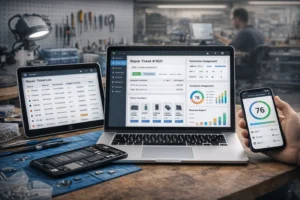
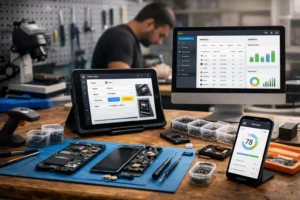
Modern repair businesses rely on specialised POS systems to collect and organise operational data. A repair focused platform tracks repair tickets, parts usage, technician assignments, and customer interactions in one central system.
Solutions such as <a href=”https://repairnestpos.com/”>RepairNest POS</a> are designed specifically for repair workflows, allowing business owners to analyse repair performance, monitor inventory trends, and evaluate technician productivity through detailed reporting dashboards.
By bringing all operational information into a single platform, repair businesses can turn everyday activity into actionable insights.
Building a Data Driven Repair Business
Adopting data driven decision making does not require complex analytics teams or advanced technology skills. It simply requires consistent tracking of the right metrics and the ability to review performance regularly.
Repair businesses that embrace data driven management are able to identify problems earlier, improve operational efficiency, and make smarter strategic decisions. Over time, this leads to stronger profitability, better customer service, and more sustainable growth.
Frequently Asked Questions
What does data driven decision making mean for repair businesses?
Data driven decision making means using operational data such as repair tickets, technician productivity, inventory usage, and customer behaviour to guide business decisions instead of relying only on assumptions or experience.
What metrics should repair shops track?
Repair shops should track metrics such as repair turnaround time, average repair ticket value, technician productivity, parts inventory usage, repeat customer rate, and service profitability.
How can repair shops collect useful business data?
Repair businesses collect useful data through repair management systems or specialised POS platforms that track repair tickets, inventory usage, technician assignments, and customer service history.
Why is technician performance data important?
Technician performance data helps managers understand productivity levels, balance workloads, identify training needs, and ensure repairs are completed efficiently.
How does data help improve inventory management?
Data allows repair businesses to identify frequently used parts, predict future demand, and reduce stock shortages or excess inventory by analysing real repair activity.
What tools help repair businesses become data driven?
Repair focused POS platforms such as RepairNest POS provide structured reporting, inventory analytics, and technician performance tracking that help businesses make informed decisions.