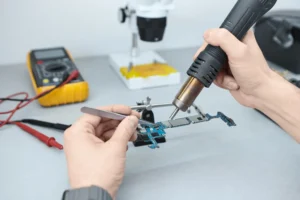

Running a successful repair business requires more than completing repairs efficiently. To grow sustainably and improve profitability, repair shop owners need to track key performance indicators. These metrics provide clear visibility into how the business is performing and where improvements are needed.
Understanding and tracking the right KPIs allows repair businesses to move from guesswork to data driven decision making. With the help of a repair focused POS system, these insights become easy to access and act upon.
Repair Turnaround Time
Repair turnaround time measures how long it takes to complete a repair from check in to delivery. This KPI directly impacts customer satisfaction and operational efficiency. Faster turnaround times indicate streamlined workflows and efficient technician performance, while delays often point to bottlenecks or process gaps.
Average Repair Ticket Value
Average repair ticket value shows how much revenue is generated per repair job. This KPI helps repair shops evaluate pricing strategies and identify opportunities to increase revenue through upselling or bundled services.
Technician Productivity
Technician productivity measures how many repairs each technician completes within a given timeframe. This KPI provides insight into individual performance and helps managers improve efficiency and balance workloads.
Parts Usage and Inventory Turnover
Parts usage tracking helps repair shops understand which components are frequently used and how inventory is moving. Efficient inventory turnover reduces stockouts and prevents excess capital from being tied up in slow moving parts.
Repair Success Rate
Repair success rate measures how many repairs are completed successfully without requiring rework. A high success rate reflects strong diagnostic skills and quality workmanship.
Customer Retention Rate
Customer retention rate shows how many customers return for repeat services. Repair businesses rely heavily on trust and repeat business, making this KPI critical for long term growth.
Why These KPIs Matter
Tracking these KPIs gives repair shop owners a clear understanding of operational performance, financial health, and growth opportunities. Repair focused systems like RepairNest POS help collect and organise these metrics automatically.
Final Thoughts
The most successful repair businesses are those that rely on data rather than assumptions. Tracking KPIs helps improve efficiency, profitability, and customer satisfaction.