
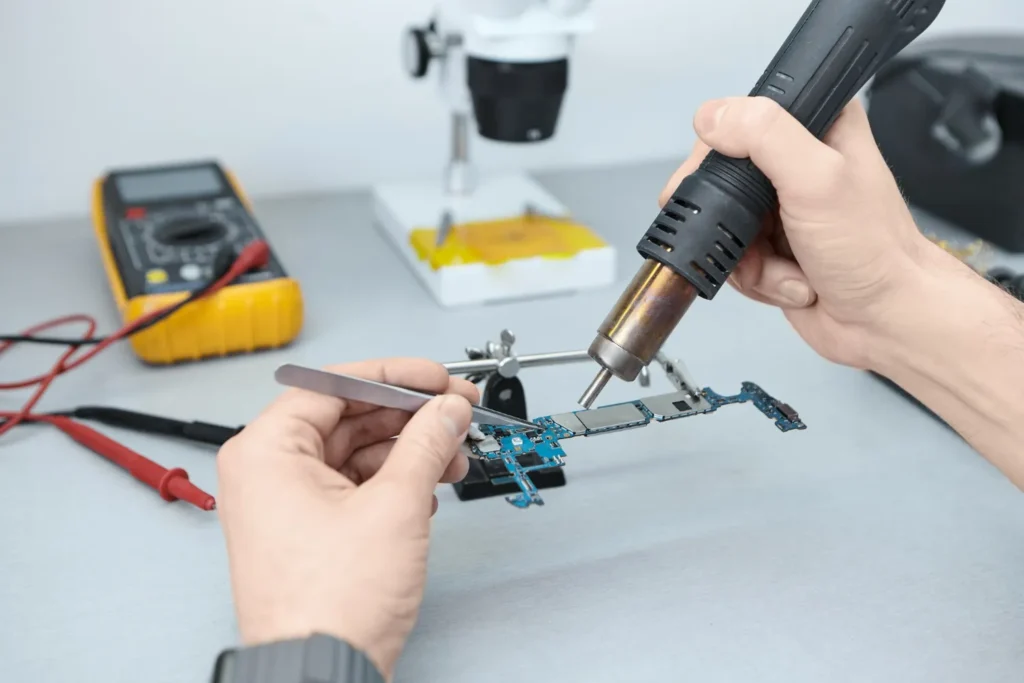
The Fine Line Between Profit and Loss in Device Repair
Operating a cell phone and electronics repair shop in the United States is a rewarding business model, but it is fraught with hidden operational traps. Many skilled technicians launch their stores with exceptional technical ability, only to realize that mastering board level micro soldering is completely different from running a profitable retail operation.
Industry statistics indicate that a significant percentage of independent repair shops struggle during their initial three years. The cause is rarely a shortage of broken devices. Instead, failure stems from avoidable management errors: disorganized inventory tracking, inadequate liability safeguards, miscalculated labor rates, and generic retail point of sale systems that fail to handle repair workflows.
In this guide, we review the ten most expensive mistakes cell phone repair business owners make, explore their true financial consequences, and outline practical operational fixes. We will also demonstrate how modern point of sale technology like RepairNest POS protects your profit margins and systematizes your storefront.
Mistake 1: Skipping Comprehensive Pre Repair Diagnostics and Waivers
One of the fastest ways to lose money and damage customer trust is failing to record preexisting device faults during intake. If a customer checks in a smartphone for a broken screen assembly, but the internal proximity sensor or rear camera was already broken from the initial drop, your business will likely be held responsible if you cannot prove otherwise.
The Operational Fix:
Enforce a mandatory intake checklist for every single device before a technician unfastens a single screw. Test cameras, microphones, ear speakers, wireless connectivity, biometric sensors such as Face ID, and charge ports. Require the customer to review the diagnostic log and provide a digital signature on a clear liability waiver.
RepairNest POS incorporates digital intake checklists directly into ticket creation, allowing technicians to capture customer signatures on a tablet and store the waiver permanently with the service history.
Mistake 2: Failing to Track Micro Inventory and Serialized Parts
Electronics repair shops manage hundreds of small components, including screen assemblies, flex cables, charge ports, batteries, and camera lenses across multiple device generations. Relying on manual counts or spreadsheets causes parts shrinkage, misplaced items, and accidental double selling.
The Operational Fix:
Adopt serialized inventory tracking. When a replacement component is assigned to an active repair ticket, your management software should automatically reserve and deduct that specific item from stock in real time.
With RepairNest POS, inventory levels update automatically as tickets move across stages. The system also triggers automated low stock alerts when component counts reach minimum thresholds, preventing unexpected delays.
Mistake 3: Neglecting Defective Parts and Supplier RMA Tracking
Defective screens and batteries from wholesale parts distributors are an unavoidable reality in the electronics repair sector. A major operational mistake is tossing defective items into an unorganized bin without tracking which supplier sent them, when they arrived, or what credit is owed.
The Operational Fix:
Implement a structured Return Merchandise Authorization workflow. Every defective component must be marked immediately in your point of sale, tagged with the distributor name, and stored in a designated quarantine area until batch returns are processed.
RepairNest POS provides a dedicated RMA management module that records defective parts against supplier profiles, ensuring your business recovers every dollar of vendor credit.
Mistake 4: Competing Solely on the Lowest Price
Attempting to undercut every competitor in your local market creates a race to the bottom that erodes profit margins. When you cut prices excessively, you are forced to purchase low grade aftermarket screens with high defect rates, resulting in costly warranty claims and negative reviews.
The Operational Fix:
Compete on turnaround speed, part quality tiers, and stellar customer service rather than bottom dollar pricing. Offer customers a transparent choice between standard aftermarket and premium original equipment manufacturer grade parts with distinct warranty tiers.
RepairNest POS supports custom pricing matrixes, enabling your staff to present clear options and upsell premium components effortlessly at the counter.
Mistake 5: Relying on Generic Retail Point of Sale Systems
Generic systems built for coffee shops or boutique retail stores, such as basic setups on Square or Shopify, cannot handle repair operations. They lack serialized device tracking, repair status workflows, automated customer updates, and micro inventory controls, forcing staff into disconnected spreadsheets.
The Operational Fix:
Invest in specialized software designed explicitly for device repair shops. A purpose built platform consolidates customer communications, diagnostic records, parts purchasing, and invoicing under a unified dashboard.
RepairNest POS delivers complete end to end repair workflow management tailored specifically for mobile phone, tablet, and computer repair operations.
Mistake 6: Wasting Labor Hours on Manual Phone Calls for Status Updates
Front desk staff and repair technicians can easily spend several hours each day answering repetitive customer calls asking whether their device is ready. This constant interruption reduces repair speed, extends turnaround times, and increases labor expenses.
The Operational Fix:
Automate your customer communication. Whenever a technician moves a repair ticket status from in progress to quality check complete or ready for pickup, the customer should receive an instant notification.
RepairNest POS features integrated automated SMS and email notifications that alert customers the second their service status changes, keeping your phone lines clear.
Mistake 7: Ignoring High Margin Retail Accessories and Add Ons
Relying solely on repair labor limits your overall revenue potential. Many store owners fix a shattered screen but fail to offer a screen protector, a durable case, or a certified charging cable before completing the sale.
The Operational Fix:
Train your sales team to bundle relevant accessories with every completed repair. Offer discounted tempered glass installation or device protection bundles at the point of checkout.
RepairNest POS provides rapid item bundling and checkout prompts that remind your technicians to suggest complementary products on every transaction.
Mistake 8: Failing to Systematize Google Reviews and Local SEO
Most customers looking for cell phone repair search locally on their phones using phrases such as screen repair near me. If your shop has few reviews or an inactive Google Business profile, prospective customers will choose your competitors.
The Operational Fix:
Systematize your review collection process instead of relying on technicians to remember to ask verbally. Send an automated follow up text shortly after a successful device pickup inviting the customer to share their experience.
The automated review booster in RepairNest POS sends direct review links to satisfied customers after payment, steadily building your local search authority.
Mistake 9: Inaccurate Device IMEI and Serial Number Logging
Logging devices under generic categories such as iPhone without recording the unique International Mobile Equipment Identity or serial number exposes your store to fraud, part dispute claims, and confusion during warranty returns.
The Operational Fix:
Make unique device identification mandatory for every intake ticket. This creates a permanent digital history of all services performed, parts installed, and technicians assigned to that specific hardware.
RepairNest POS requires barcode or manual entry of serial and IMEI numbers, enabling instant historical lookup if a customer returns months later.
Mistake 10: Inadequate End of Day Reconciliation and Cash Controls
Without rigorous end of day financial reconciliation, cash drawer shortages, unrecorded card refunds, and missing diagnostic deposits go unnoticed until month end accounting.
The Operational Fix:
Require closing shift staff to generate detailed closing reports and perform exact physical counts against point of sale records before securing funds in store safes.
RepairNest POS provides automated register shift reporting and till audit summaries, ensuring total accountability across every employee shift.
Conclusion: Protect Your Margins with Standardized Operations
Building a thriving, scalable electronics repair shop requires more than just technical precision. It demands clear operating protocols, tight inventory oversight, professional customer communication, and software designed specifically for your industry.
By addressing these ten common pitfalls and equipping your storefront with RepairNest POS, you safeguard your profitability, eliminate operational headaches, and establish a foundation for sustained commercial growth.