Introduction: The Technological Shift in Mobile Device Repair
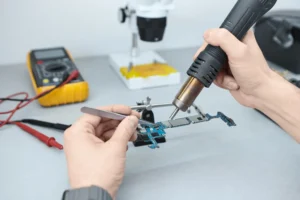
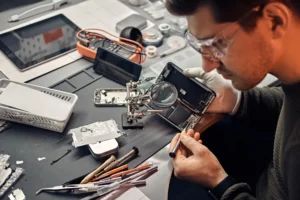
Operating an independent cell phone and electronics repair shop in the United States has entered a transformative era. For decades, the repair sector operated on manual craftsmanship. A technician received a broken smartphone, listened to customer descriptions, visually inspected the chassis, opened the casing using basic pry tools, and tested individual circuits using traditional multimeters. While foundational technical skill remains indispensable, modern smartphones have evolved into intricate computing systems packed with encrypted components, microscopic motherboard traces, multi layer logic boards, and complex biometric arrays.
Relying solely on intuition and manual testing is no longer sustainable. Device architectures change rapidly across product generations, and the sheer volume of walk in consumers demands faster turnaround times. Modern consumers expect instant answers, accurate turnaround estimates, and flawless execution. When diagnostic delays cause repair backlogs, shop overhead increases while customer satisfaction drops.
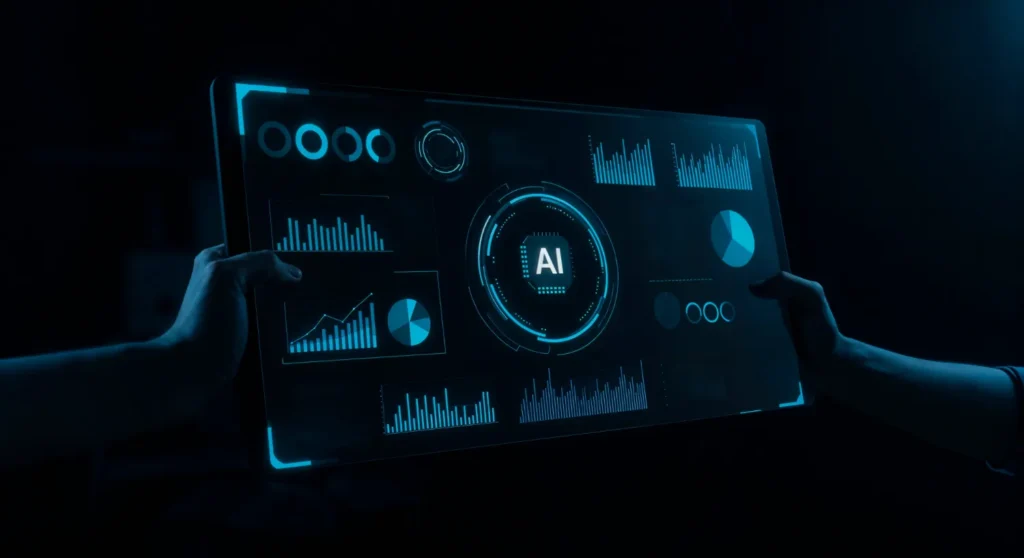
Artificial intelligence and workflow automation have emerged as the defining competitive advantages for modern repair operations in 2026. By integrating automated hardware scanners, machine learning diagnostic suites, predictive inventory modeling, and intelligent point of sale management through RepairNest POS, repair businesses can eliminate operational bottlenecks, protect profit margins, and deliver exceptional repair experiences.
The Evolution of Phone Diagnostics: From Manual Labor to AI Precision
To appreciate the magnitude of this industry transformation, one must examine how repair intake and diagnostic troubleshooting have traditionally functioned. In a standard legacy repair shop, a technician spending twenty to thirty minutes manually testing display digitization, front and rear cameras, proximity sensors, charging port voltages, and battery discharge rates was standard practice. If an intermittent fault occurred, such as random device restarts or silent audio drops, diagnosing the root cause could consume several hours of bench labor.
This legacy manual approach introduces three severe operational vulnerabilities:
First, human error during intake often leads to missed preexisting faults, exposing the shop to liability disputes when customers claim undamaged features were broken during service.
Second, excessive bench time spent on diagnostic troubleshooting reduces the total number of billable repairs a technician can complete during a shift.
Third, inconsistent manual testing across different technicians creates erratic quality standards, increasing the rate of warranty returns and customer dissatisfaction.
AI powered diagnostic systems solve these vulnerabilities by replacing subjective manual testing with automated, data driven evaluation. Modern diagnostic software connects directly to the device interface, executing dozens of comprehensive hardware and software checks simultaneously in less than two minutes. Machine learning models evaluate sensor telemetry, current draw patterns, and operating system kernel logs against massive databases of known device profiles, pinpointing failure points with surgical accuracy.
Core Applications of AI in Modern Repair Workstations
Artificial intelligence is not a vague conceptual promise in 2026; it is an active suite of concrete diagnostic and management tools deployed across top performing repair storefronts. Below are the primary ways artificial intelligence is actively deployed on technician benches today.
Intelligent Display and Touch Matrix Analysis
Modern OLED displays and high refresh rate capacitive touchscreens present complex failure modes. A screen may display clear images while harboring microscopic dead zones along the perimeter or intermittent ghost touch behaviors triggered only under specific thermal conditions. AI diagnostic software automates touch matrix evaluation by deploying algorithmic coordinate testing, instantly mapping unresponsive touch nodes and identifying subtle digitizer layer separation before a new screen is installed.
Battery Health, Cycle Count, and Internal Resistance Profiling
Smartphone operating systems provide basic battery health percentages, but these built in metrics frequently fail to reveal internal cell degradation, voltage drop anomalies, or swelling risks. Advanced diagnostic tools evaluate internal battery resistance, electrochemical cycle counts, thermal expansion curves, and peak power draw capabilities under simulated heavy processing loads. This gives technicians definitive evidence to show customers why battery replacement is necessary, converting diagnostic intake into high margin part sales.
Motherboard Thermal and Short Circuit Mapping
Micro soldering and board level troubleshooting have historically been the most difficult skills to master in electronics repair. When a dropped device suffers from a power rail short circuit, tracking down a failed capacitor among thousands of microscopic components required painstaking voltage injection and freeze spray techniques. In 2026, intelligent thermal imaging software paired with machine learning analyzes heat dissipation patterns across logic boards in real time. The software automatically highlights abnormal thermal signatures, directing the technician directly to the compromised micro component within seconds.
Automated Audio Loopback, Microphone, and Sensor Arrays
Modern smartphones feature multiple specialized microphones for ambient noise cancellation, stereo audio capture, and spatial voice recognition. Testing each microphone manually by making test phone calls or recording voice memos is time consuming and prone to technician oversight. Automated diagnostic programs run rapid frequency sweep tests across every speaker and microphone, confirming frequency response ranges and ambient noise filtering efficiency instantly.
Predictive Maintenance: Transforming Break Fix into Proactive Care
The traditional commercial model of consumer electronics repair has always been reactive break fix service. A customer breaks their glass, suffers complete battery failure, or drops their phone in water, prompting a visit to the nearest repair shop. While break fix repairs remain the core foundation of daily revenue, forward thinking repair shops are leveraging predictive AI to build recurring revenue and proactive customer relationships.
When customers bring devices in for routine screen replacements or tempered glass installation, technicians running an automated diagnostic scan can generate an instant comprehensive device health report. Machine learning models analyze component wear indicators, such as battery charging impedance and flash memory write cycle degradation, forecasting which components are nearing end of life within the subsequent three to six months.
Providing customers with a transparent, data backed diagnostic summary allows shops to offer preventive component replacements at discounted bundle rates. This practice elevates consumer trust, eliminates surprise device failures for the user, and significantly increases average transaction value for the repair storefront.
Overcoming Supply Chain Friction with AI Driven Inventory Forecasting
Managing replacement parts inventory across hundreds of smartphone models, tablet releases, and smart watch variants is one of the most difficult operational challenges repair shop owners face. Holding excessive inventory ties up critical working capital in fragile screens and batteries that depreciate as device models age. Conversely, running out of stock on popular screen assemblies forces walk in customers to visit competing stores down the street.
Artificial intelligence revolutionizes repair shop supply chains by analyzing historical ticket records, regional device market shares, local seasonal trends, and supplier lead times. Rather than guessing how many replacement batteries or camera modules to purchase each week, automated inventory algorithms generate precise reorder recommendations.
By integrating smart inventory forecasting into your business routine, your shop maintains optimal stock levels, minimizes dead stock write offs, and ensures that the exact replacement components required for daily walk in repairs are sitting ready in your inventory bins.
Counterfeit Detection, Security, and Component Pairing in 2026
The rise of encrypted serialized components and software locked parts pairing by original equipment manufacturers has made component verification a critical priority. Installing inferior aftermarket screens or counterfeit batteries with unstable power management microcontrollers leads to software warning notifications on the customer device, diminished performance, and increased warranty return rates.
AI powered hardware verification tools scan internal controller serial numbers, cryptographic signatures, and firmware versions during intake and testing. This ensures that every replacement component meets strict performance specifications and avoids unwanted software lockouts. Furthermore, automated security scanning confirms that incoming devices do not contain malicious monitoring software, protecting customer personal privacy and insulating your business from liability.
Financial Impact: Calculating the ROI of Automated Workflows
Adopting automated diagnostic tools and intelligent shop software requires an upfront investment, but the return on investment is immediate, measurable, and substantial. Consider the operational mathematics of a standard independent repair store completing fifteen repairs per day:
Manual diagnostic intake and post repair testing average twenty five minutes per device. Across fifteen devices, your technical staff expends over six hours of labor daily simply clicking through basic phone menus and filling out paper intake notes.
By deploying automated AI diagnostics, total testing time is compressed to three minutes per device. Across fifteen devices, total daily testing time drops to forty five minutes, reclaiming more than five hours of technician bench labor every single day.
This reclaimed labor capacity enables technicians to complete additional billable repairs daily without hiring extra personnel. When paired with reduced parts shrinkage and automated review generation, the financial return of workflow automation transforms store profitability.
Unifying Hardware Diagnostics with RepairNest POS
Advanced diagnostic hardware and AI testing tools deliver maximum business value only when they are deeply connected to your central point of sale and ticketing infrastructure. If your technician runs an automated diagnostic scan but still has to manually type the findings into an disconnected generic cash register or spreadsheet, your workflow remains broken.
RepairNest POS acts as the central command hub of the modern repair storefront. Designed specifically for the fast paced requirements of cell phone and electronics repair operations, RepairNest POS unifies every phase of the customer journey:
Instant Ticket Creation: Diagnostic logs, IMEI numbers, and device specifications flow directly into customer service tickets, generating clear digital estimates without manual data entry.
Mandatory Intake Waivers: Customers review diagnostic results and sign digital liability waivers directly on tablets at the front counter, securing legal protection before work begins.
Real Time Inventory Allocation: As soon as a repair ticket is authorized, RepairNest POS reserves the required replacement part in inventory, preventing stock discrepancies across staff shifts.
Automated Customer Messaging: As tickets progress through diagnostic, repair, and quality assurance stages, RepairNest POS sends automated SMS and email updates to the customer, keeping phone lines open and customers informed.
Automated Review Booster: Once a customer completes payment upon pickup, RepairNest POS triggers an automated text message inviting the client to leave a positive Google review, expanding your local search authority.
Step by Step Guide: Implementing AI Tools in Your Store Today
Transitioning your repair shop into an automated, highly efficient modern service center does not require shutting down your store or spending tens of thousands of dollars on enterprise hardware. Follow this structured roadmap to modernize your operations:
Step 1: Audit Current Bench Bottlenecks
Track the average time your technicians spend on customer intake diagnostics, manual ticket creation, and phone calls over a one week period. Identify where technician labor is being wasted on repetitive administrative tasks.
Step 2: Deploy Automated Diagnostic Stations
Equip each technician workstation with automated software diagnostic cables and thermal inspection tools, standardizing how devices are checked in and verified after service.
Step 3: Migrate to a Dedicated Repair Point of Sale
Replace generic retail software or paper tickets with RepairNest POS. Configure custom diagnostic checklists, automated SMS message templates, and inventory reorder thresholds to match your shop business model.
Step 4: Train Staff on Standard Operating Procedures
Ensure every front desk associate and bench technician understands how to run automated scans, capture customer digital signatures, and utilize automated ticketing to maintain consistent quality across all customer interactions.
Conclusion: Securing Your Competitive Advantage in the Modern Era
The cell phone repair landscape in 2026 belongs to businesses that combine expert technical craftsmanship with modern digital automation. Customers no longer tolerate disjointed communication, lost parts, or unrecorded preexisting damage disputes. By implementing artificial intelligence diagnostics and running your storefront operations on RepairNest POS, you protect your profit margins, maximize technician productivity, and establish your repair shop as the premier technology service center in your local market.